

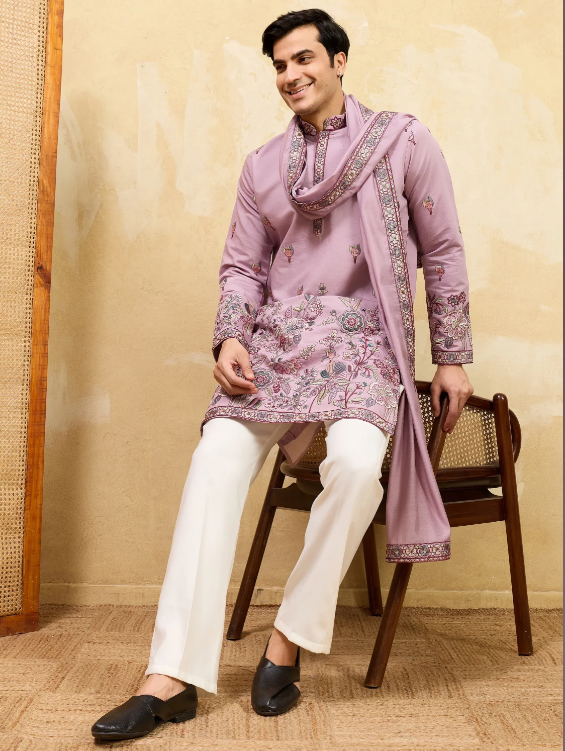
Traditional menswear has become much more versatile, making it easier to dress appropriately for weddings without choosing an outfit that feels overly formal. ethnic wear for men now includes everything from classic kurtas and waistcoats to coordinated sets that combine traditional details with contemporary cuts. This variety makes festive dressing more personal and practical.
The right outfit depends on the event, time, venue, and level of formality. A daytime family function may call for lighter colors and breathable fabrics, while an evening wedding can accommodate richer shades, embroidery, and layered styling. Understanding these differences helps men choose clothing that looks polished while remaining comfortable throughout the celebration.
Start With the Type of Celebration
A wedding ceremony, reception, engagement, and family dinner can each have a different dress code. Heavily embroidered clothing may suit a grand reception, whereas a simpler kurta can feel more appropriate for a daytime gathering. Looking at the event details before choosing an outfit prevents unnecessary overdressing.
The venue can also influence the choice. Outdoor celebrations usually benefit from lighter fabrics and comfortable footwear, while indoor evening functions allow more flexibility with layered pieces and richer textures. Thinking about where and when the event will take place makes the selection process much more straightforward.
Choosing Fabrics That Feel Comfortable
Fabric should not be treated as a secondary detail because festive events often involve several hours of standing, sitting, greeting guests, and moving between different parts of the venue. Cotton blends, linen, and lightweight silk can work well for happier daytime occasions, while velvet and richer silk fabrics can suit cooler evenings.
The amount of embroidery should be considered alongside the fabric. Heavy decorative work can make an outfit feel warmer and more restrictive, while lighter detailing allows greater freedom of movement. Selecting a material according to the season and duration of the event can make the entire experience more comfortable.
-
Choose breathable fabrics for daytime celebrations.
-
Consider richer textures for evening functions.
-
Check the outfit allows comfortable movement.
-
Match fabric weight with the season.
Finding Colors That Suit the Occasion
Color can change the overall character of traditional menswear. Ivory, beige, pastel blue, sage, and soft peach can create an elegant daytime appearance, while navy, wine, emerald, charcoal, and deep brown offer more depth for evening celebrations. The best choice should also complement the wedding setting without copying every decorative element around it.
A mens kurtas collection may inspire color coordination between couples or family members, but matching does not have to mean wearing identical shades. Choosing complementary colors can create a coordinated appearance while allowing each person to maintain an individual style. This approach works particularly well for photographs and larger family celebrations.
Layering Can Add Character to Traditional Outfits
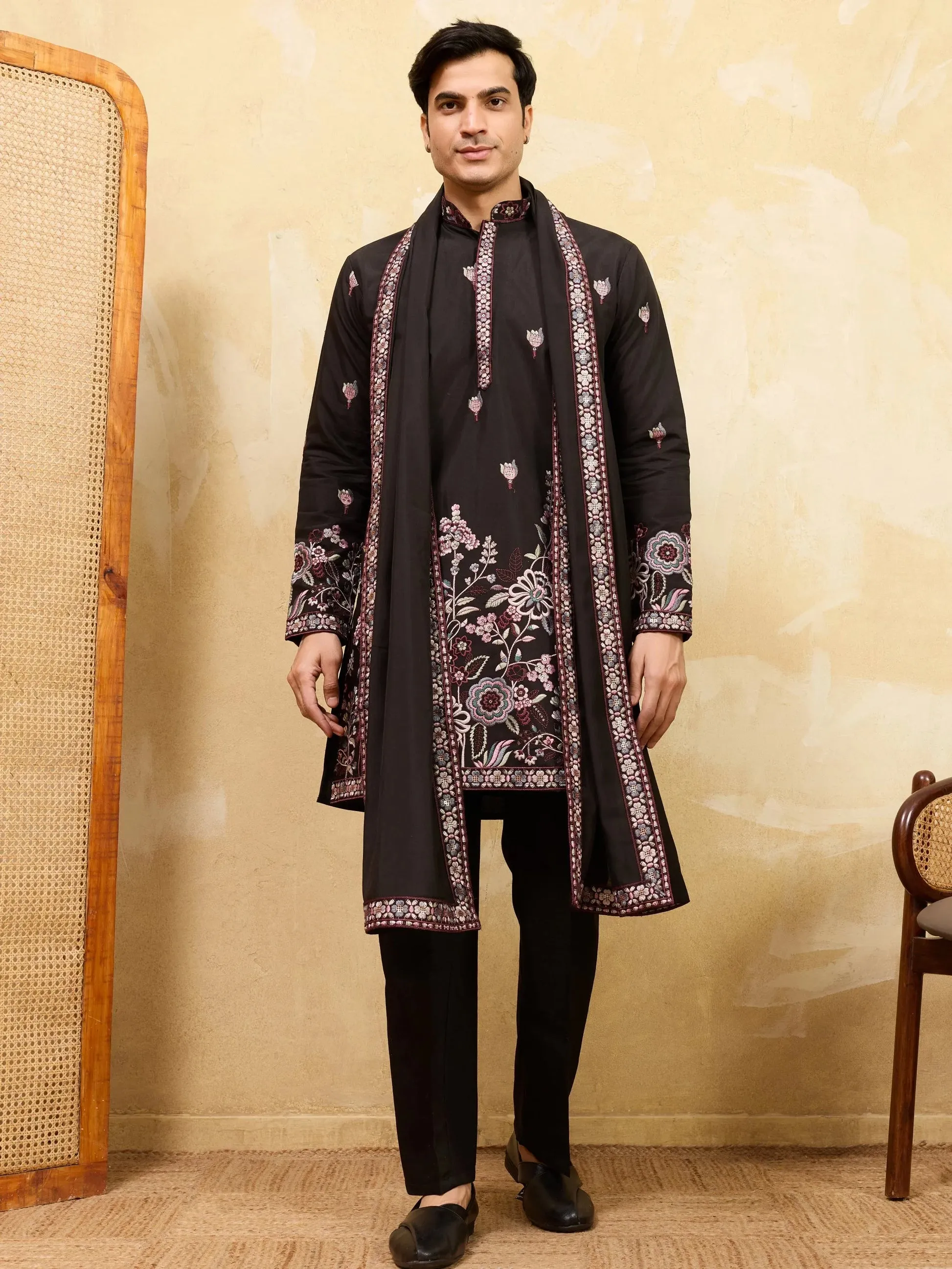
Layering gives men an easy way to make traditional clothing look more distinctive without relying entirely on heavy embroidery. A waistcoat over a kurta can create a structured appearance, while a bandhgala jacket can make the same base outfit feel more formal. The choice should depend on the occasion and personal comfort.
Color coordination is important when adding another layer. A contrasting waistcoat can become a statement feature, while a matching or tonal layer creates a more understated appearance. Keeping the number of colors limited usually makes the outfit look more polished, especially when the kurta already includes decorative details.
Footwear and Accessories Should Feel Intentional
Traditional footwear can complete an ethnic outfit without requiring many additional accessories. Juttis and mojaris offer a classic appearance, while simple loafers can introduce a contemporary element. The footwear should be comfortable enough for extended wear because weddings often involve considerable standing and movement.
Accessories can remain relatively minimal. A traditional watch, pocket square, brooch, or understated stole may be enough to add personality. If the outfit already contains embroidery or a statement waistcoat, adding too many decorative pieces can make the final appearance feel crowded rather than refined.
-
Match footwear with the outfit’s overall formality.
-
Keep accessories subtle with detailed clothing.
-
Use a stole for additional traditional character.
-
Choose comfortable shoes for longer celebrations.
Conclusion
Investing in versatile ethnic pieces can make future wedding dressing considerably easier. A well-fitted kurta, neutral waistcoat, traditional trousers, and comfortable footwear can be combined in several ways, creating different outfits without requiring a completely new wardrobe for every celebration.
The most useful pieces are those that balance traditional character with modern practicality. Choosing comfortable fabrics, flattering cuts, and colors that work across different occasions allows men to dress confidently for weddings, family gatherings, festive dinners, and cultural events. With thoughtful combinations, ethnic clothing can feel distinctive without becoming difficult to wear.